

Ex-members
Post-doctorate
Renato Paiva de Lima
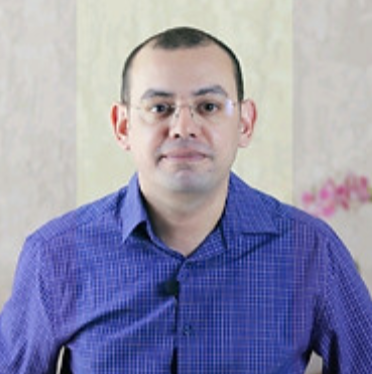
Agricultural Engineer from the Federal University of Paraíba (2006-2011), Master in Agricultural Engineering from the Federal Rural University of Pernambuco (2011-2013), and PhD (2013-2017) in Soils and Plant Nutrition from the Luiz de Queiroz College of Agriculture/University of São Paulo (ESALQ/USP), with a sandwich period at the Agroscope Institute, Zurich, Switzerland. He was a substitute professor at the Federal Institute of Education, Science and Technology of Mato Grosso (IFMT) - Barra do Garças Campus, working in the high school-technical course in Environmental Control and Postgraduate Latu Sensu in Agroecology (2017-2018). He worked in a Postdoctoral Internship in the Postgraduate Program in Agricultural Engineering at UFRPE (2018-2022). He has worked mainly with: (1) Soils, (2) Soil Physics, (3) Soil Compaction, (4) Agricultural Traffic, (5) Modeling and Computational Methods in Soil Physics. He has experience with R Software, in the development of computational functions and packages (soilphysics, R package) applied to Soil Physics and Mechanics in Agriculture and with Finite Element modeling (Comsol Multiphysics Software). He is currently a postdoctoral fellow in the USP Postdoctoral Program, developing his research with the Soil Health & Management Research Group (SOHMA) in the Department of Soil Science at ESALQ/USP.
Bruna Gonçalves Carvalho
Bruna holds a degree in Biological Sciences from the Methodist University of Piracicaba (2007), a master's degree (2011) and a PhD (2015) in Sciences with an emphasis on Agricultural Microbiology from the University of São Paulo, Luiz de Queiroz College of Agriculture (ESALQ-USP), with a sandwich period (2013-2014) at the University of Illinois, Urbana-Champaign. She has experience in Environmental Biogeochemistry and Agricultural Microbiology with an emphasis on climate change and global warming, through the monitoring of greenhouse gas emissions, nitrogen fertilizer use efficiency and carbon footprint calculations, as well as the study of microbial diversity through classical isolation and cultivation techniques, molecular microbiology and NGS platforms. She is currently a Postdoctoral Fellow of the RCGI Ag4C project (FAPESP/SHELL) working specifically on understanding the microbiological pathways responsible for soil N20 emissions in crop-livestock integration systems.
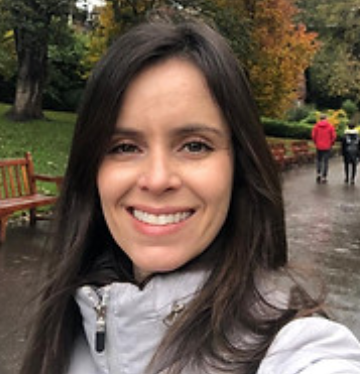
Guilherme Sanches
Agricultural Engineer (2012) and Master (2014) from FEAGRI-UNICAMP, PhD (2018) in Bioenergy (UNICAMP-USP-UNESP), University Extension (2015) in Data Analysis (FEQ-UNICAMP), Post-Doctorate (2021) in Soil Science (ESALQ-USP) and MBA (2022) in Artificial Intelligence and Big Data (ICMC-USP). Guilherme’s professional career includes working as a Collaborating Professor (MS-3) in the Department of Biosystems Engineering at ESALQ-USP and supervising MBA students in Data Science & Analytics at Pecege (ESALQ-USP). He has international experience in Canada, Portugal, the United States and the Netherlands. He was recognized by the International Society of Precision Agriculture (ISPA) as one of the 10 best graduate students in the world, receiving the "Outstanding Graduate Students Award". He was also awarded by the Brazilian Association of Precision Agriculture (AsBraAP) in 2018, for the best work presented at the Brazilian Congress of Precision Agriculture (ConBAP), and received an Honorable Mention from USP in 2023 for his postdoctoral research at ESALQ, in addition to being honored as an Outstanding Graduate by UNICAMP. He currently works as a postdoctoral fellow at the Center for Carbon Studies in Tropical Agriculture (CCarbon) at ESALQ-USP, focusing on Precision Agriculture, Digital Agriculture and Artificial Intelligence, specializing in data science applied to the agribusiness.
Lucas Pecci Canisares
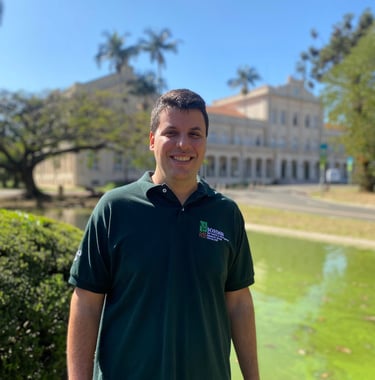
Lucas holds a degree in agricultural engineering from the Luiz de Queiroz College of Agriculture (ESALQ-USP), a master's degree in hydraulics and sanitation from São Carlos College of Engineering (EESC-USP), and a PhD in tropical and subtropical agriculture from the Campinas Agronomic Institute (IAC). He was a visiting researcher at the Lawrence Berkeley National Laboratory and the University of Kentucky, with a postdoctoral degree also from the University of Kentucky. He taught a soil microbiology course for undergraduate and graduate students at the University of Kentucky in 2023. The focus of his work is the study of biogeochemical processes related to C and N in agricultural systems. Lucas is currently a postdoctoral fellow in the Department of Soil Science at the Luiz de Queiroz College of Agriculture (ESALQ-USP) and a member of the Soil Health & Management Research Group – SOHMA, investigating the impact of sustainable intensification on C sequestration and greenhouse gas emissions.
Tiago is an agronomist with a PhD in Biosystems Engineering and an MBA in Data Science and Machine Learning, with international research experience in Brazil, Spain, Belgium, and Australia. His work focuses on developing sensing technologies, spectral libraries, and predictive modeling approaches for soil and plant monitoring, particularly using vis-NIR spectroscopy, XRF, and LIBS. He is currently a FAPESP-funded postdoctoral researcher at CCARBON-USP, investigating sensor-based strategies to optimize soil carbon stock assessment, and is also affiliated with CENA-USP, where he contributes to modernizing agricultural analyses through green chemistry, spectroscopy, and advanced data modeling. His research has received recognition from ISPA, CAPES, USP, and Bayer, and his broader goal is to advance data-driven technologies that improve agricultural monitoring and support more sustainable farming practices.
Graciele Angnes


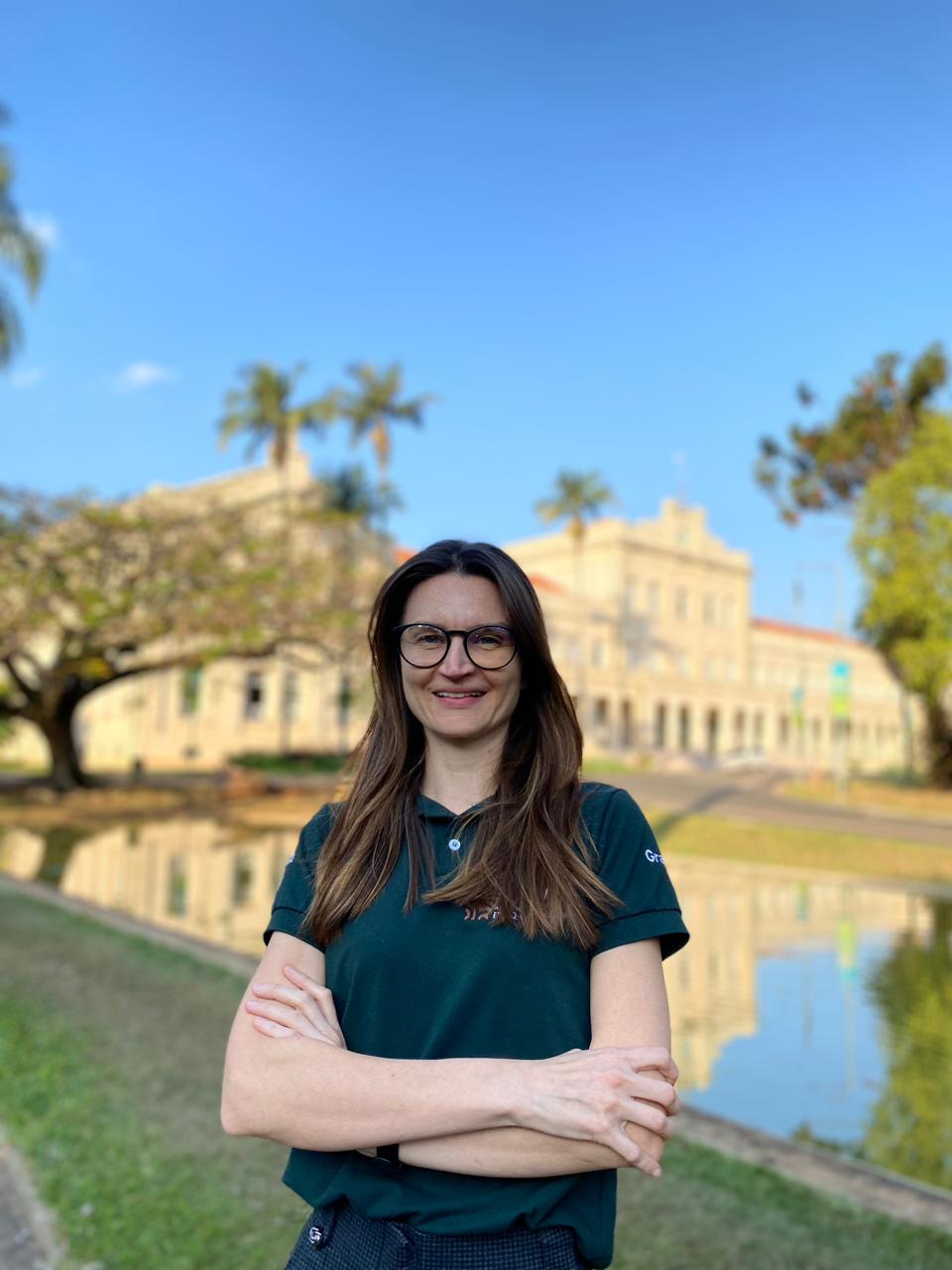
Graciele is an Environmental Engineer with a Master’s degree in Agroecosystems and a PhD in Sciences with an emphasis on Agricultural Systems Engineering from ESALQ-USP, including an international research period at INRA in France. She has experience in environmental sustainability, with a focus on climate change, greenhouse gas (GHG) emissions, carbon footprint assessment, and water and energy use. She has also conducted postdoctoral research at ESALQ-USP in a project funded by the Swiss Federal Office for the Environment (BAFU). Currently, she is a postdoctoral fellow in the Department of Soil Science at ESALQ-USP, where her research focuses on GHG emission factors and their application to the assessment of agricultural systems and environmental sustainability.
Tiago Rodrigues Tavares

PhD
Felipe completed his Master's degree in the Postgraduate Program in Agronomy-Agriculture and Environment at the Federal University of Santa Maria, Frederico Westphalen campus (UFSM/FW) in 2017, developing activities with the Soil Physics research group. He graduated in Agronomy from UFSM/FW (2014), when he carried out activities related to Alternative Nutrient Sources, Soil Compaction, Soil Mechanical Resistance to Penetration and Soil Compressibility. He is currently a Laboratory Technician/Soils area at UFSM/FW on leave to pursue a PhD in Soils and Plant Nutrition at ESALQ/USP. He has developed his research focused on the evaluation of soil ecosystem services, related to the regulation of soil water flow, soil structuring and plant growth.
Felipe Bonini da Luz
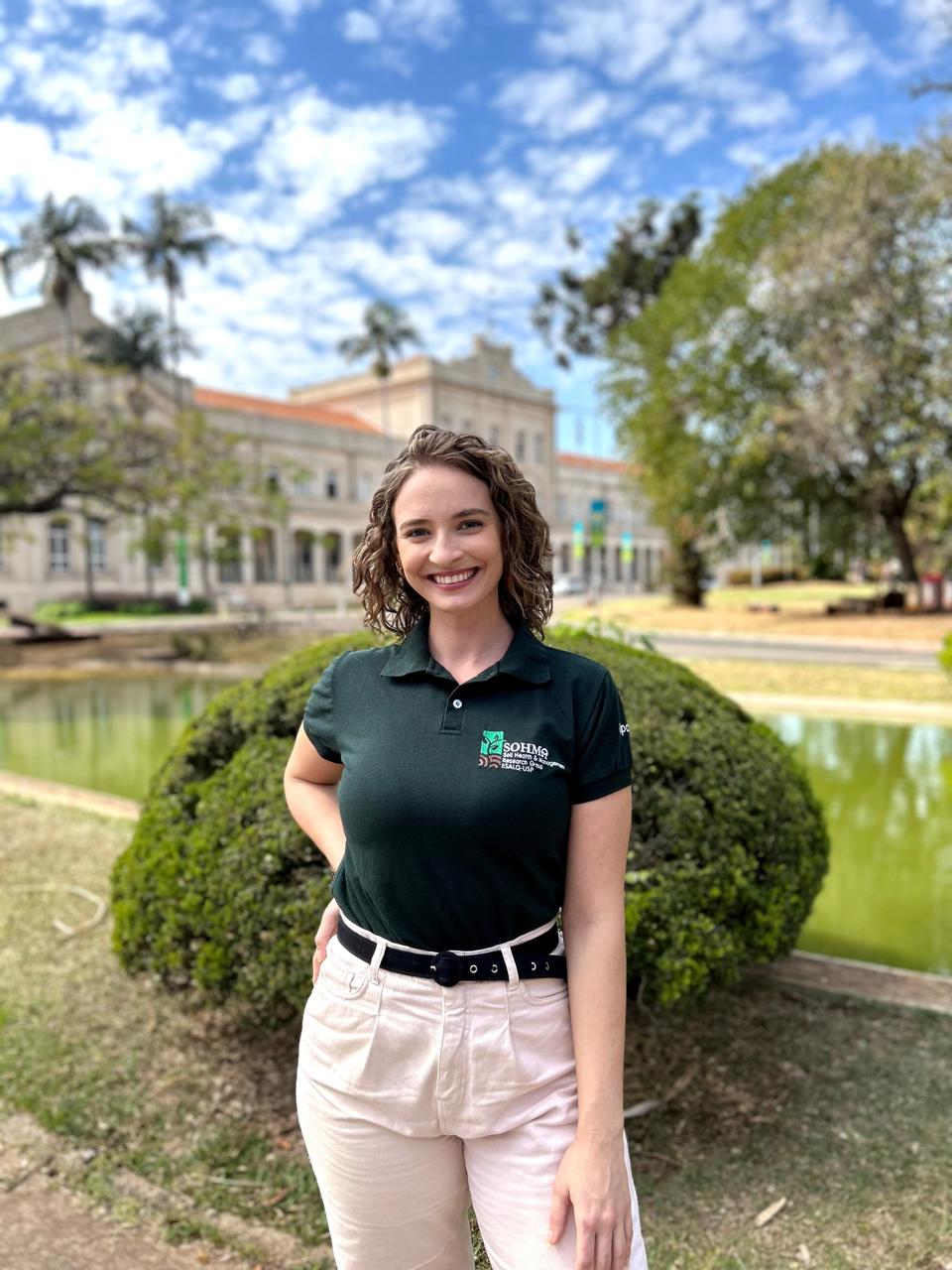
Beatriz da Silva Vanolli
PhD candidate in the Graduate Program in Soils and Plant Nutrition – “Luiz de Queiroz” College of Agriculture (2021–2024). Her research aims to evaluate the role of soil macrofauna in carbon sequestration in integrated systems. Member of the Soil Health & Management Research Group (SOHMA). Master of Science, with concentration in Soils and Plant Nutrition (Luiz de Queiroz College of Agriculture / University of São Paulo – ESALQ/USP, 2019–2021). Worked in the sub-area of Soil Management and Quality. Agronomist Engineer from the State University of the Midwest – UNICENTRO (2018), with a sandwich period at the École nationale supérieure des sciences agronomiques de Bordeaux through the BRAFAGRI program funded by CAPES.

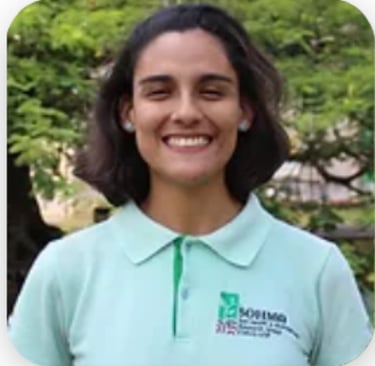
Martha Lustosa Carvalho
PhD candidate in the Graduate Program in Soils and Plant Nutrition – “Luiz de Queiroz” College of Agriculture (2021–2024). Works in the area of Soil Management and Quality and is currently conducting research on soil management for carbon accumulation with the aim of improving soil quality. She is also an Agronomist Engineer and holds a Master’s degree in Soils and Plant Nutrition from ESALQ – USP. She actively participated in research on “Soil quality in crop fields with contrasting management systems in southern Brazil.”
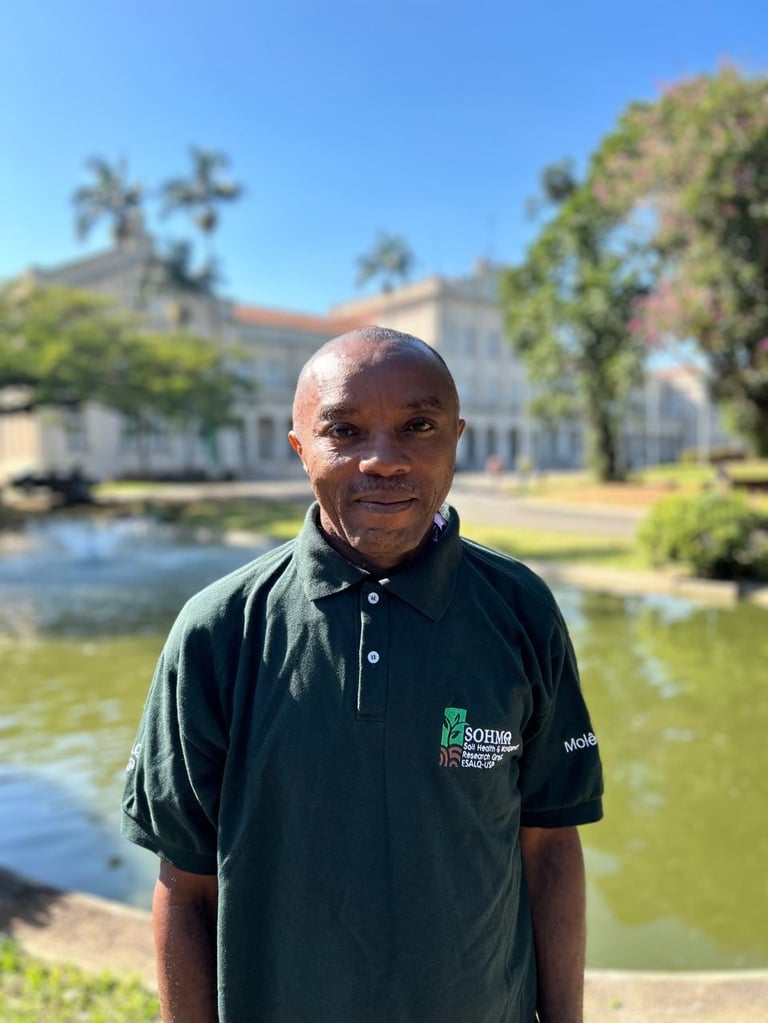

Chukwudi Nwaogu
Chukwudi Nwaogu holds dual PhD degrees in Geoinformatics and Cartography from Palacký University Olomouc and in Ecology from the Czech University of Life Sciences Prague, as well as Master’s degrees in Nature Conservation and GIS. With over 20 years of teaching experience at secondary and higher education levels in Europe and Nigeria, he has also worked as a lecturer in Environmental Management at the Federal University of Technology Owerri, Nigeria, and conducted postdoctoral research at the University of São Paulo (USP), Brazil. His research interests include soil and plant ecology, biogeography, environmental management, cartography, GIS and geospatial applications for natural resource management, as well as climate and land-use change, with scientific contributions published in international journals and conferences.
Master's
Victor Ferreira Maciel
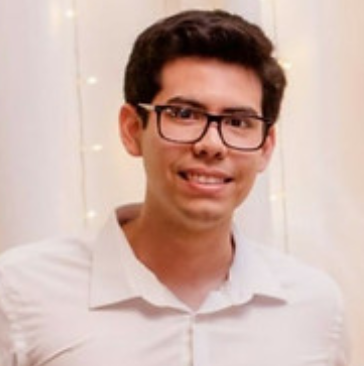
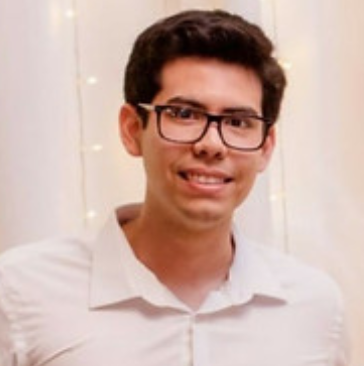
Agricultural Engineer from the Luiz de Queiroz College of Agriculture (ESALQ) at the University of São Paulo (USP). He was a master's student in the postgraduate program in Soils and Plant Nutrition (ESALQ-USP). He worked in the area of soil management and quality, with an emphasis on the evaluation of soil physical quality and soil carbon in soybean, corn and cotton production areas.
Gabriela Marques Cardoso
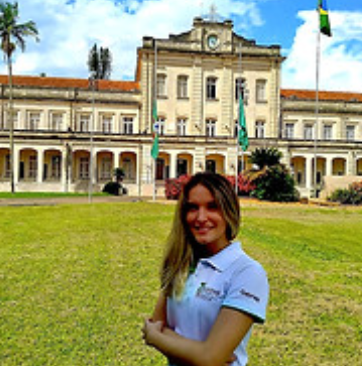
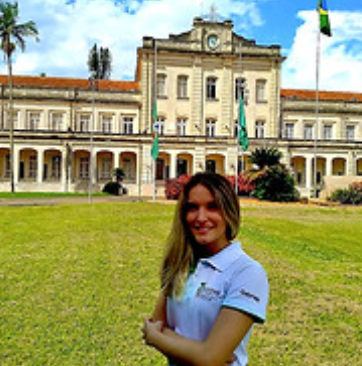
Agricultural Engineer from the Federal University of Uberlândia - UFU (2015-2020). She worked as an intern at the Ornamental Plant Tissue Culture Laboratory of the Luiz de Queiroz College of Agriculture - ESALQ/USP (2019). Master's student in the Postgraduate Program in Soils and Plant Nutrition - ESALQ, with an emphasis on Soil Management and Quality. Her research involved evaluating the impact of the use of soil microbiota activators on Soil Quality in ten areas of different regions of Brazil (South, Midwest and Northeast), comparing experimental strips with and without the application of the products.
Maria Emília Marostica
Agricultural engineer from the Luiz de Queiroz College of Agriculture (ESALQ) - University of São Paulo (USP). (2016-2021). She completed her master's degree in Soils and Plant Nutrition in the postgraduate program also at the Luiz de Queiroz College of Agriculture (ESALQ) - University of São Paulo (USP). She is currently conducting research in the area of soil quality, with a focus on integrated management systems.
Master's degree in the Postgraduate Program in Soils and Plant Nutrition - Luiz de Queiroz College of Agriculture(2022-2024). Agricultural Engineer from the Federal University of Ceará (UFC), where she worked developing research on carbon and nitrogen contents and stocks in sandy soils in the semiarid region. She is currently researching changes in microbiota and soil health caused by chemical activators.
Andreia Mariana Rodrigues


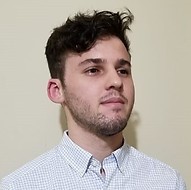
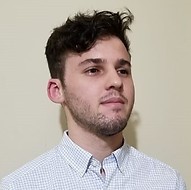


José Gabriel Ribeiro
Maria Julia Grassi
Marcos André Pires
Matheus de Sá Altariugio
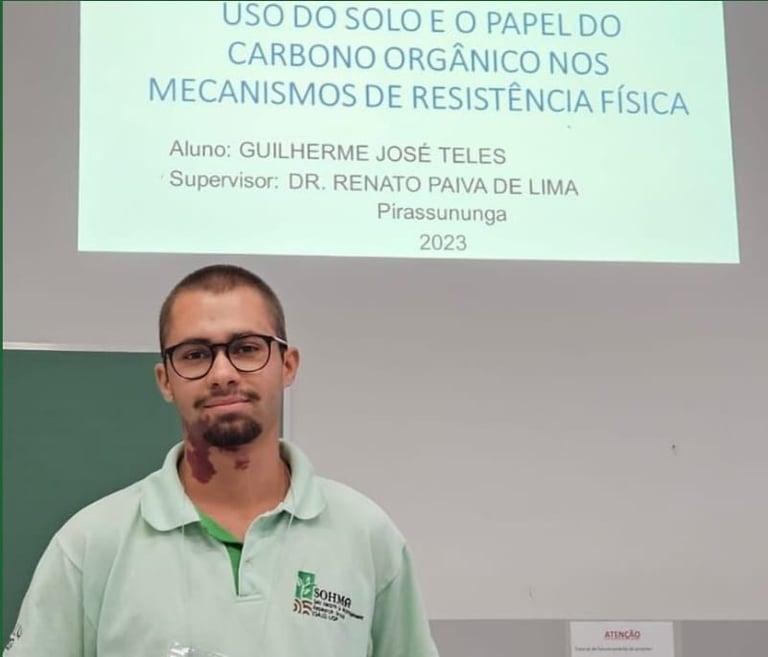
Guilherme Teles
Murilo Henrique do Nascimento
Rodrigo Henrique Garrido
Gabriel Marcondes
Gustavo O. Silva
Leonardo S. Penatti
Gabriel Mateus Carneiro

João Victor Müller Antigo

Laura Coltro


João Vitor A. Paixão

Giovana Karg
Maria Luiza Machado da Silva


Undergraduates
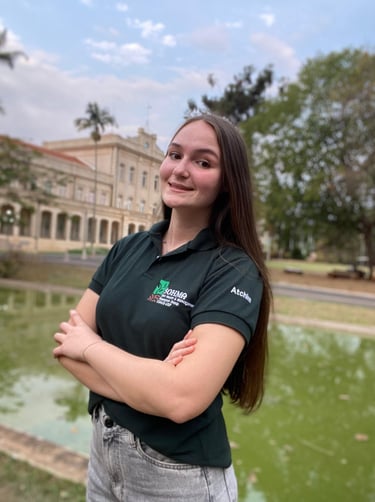

Julia Antonelli Molina
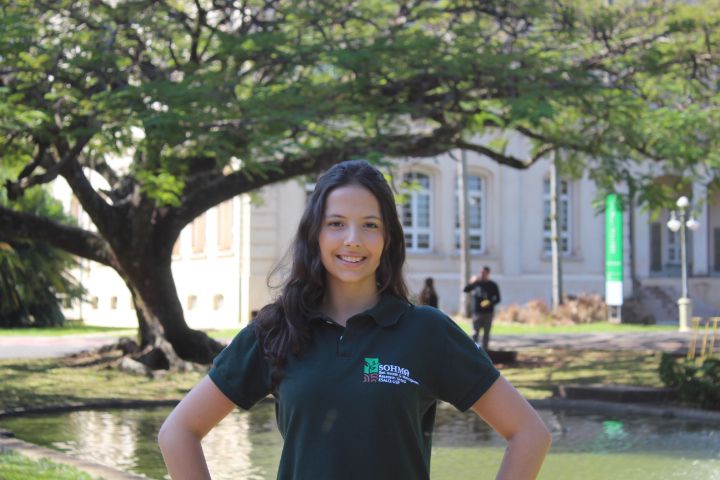

Maria Eduarda Santana S. Fonseca
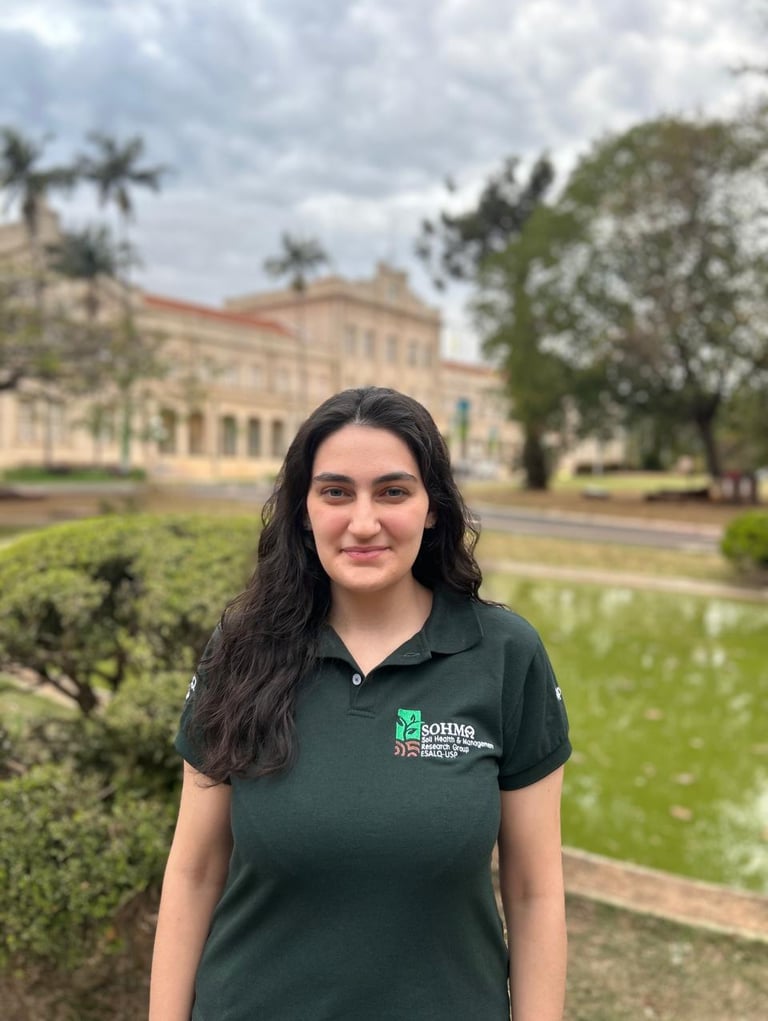

Gabriela Ferreira Codling
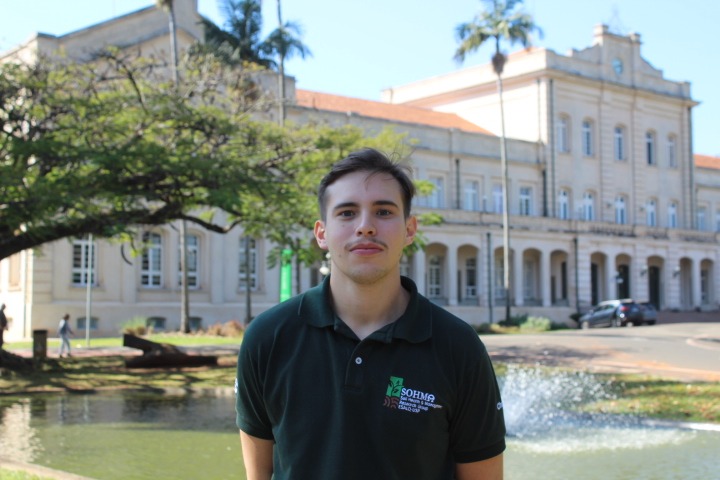

Luan Aparecido Ferreira de Campos

Pedro Chudzik

Camile Bianca Padoveze

Eloisa Honorato Rocha

Renan Diniz Bucci
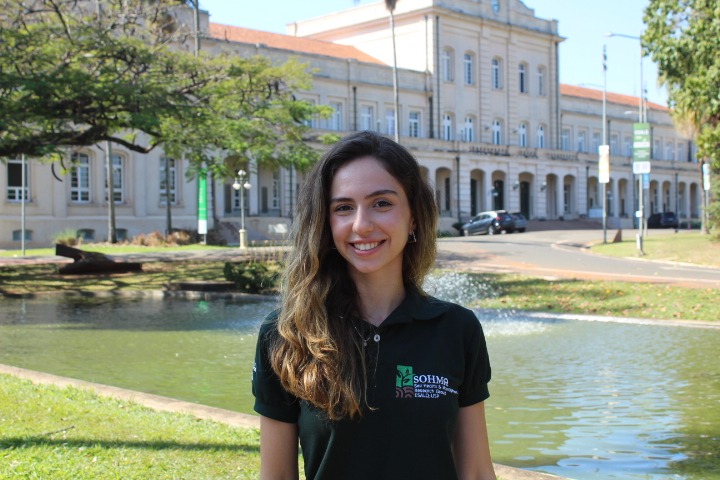

Ana Carolina Salmazo